
 Read an excerpt
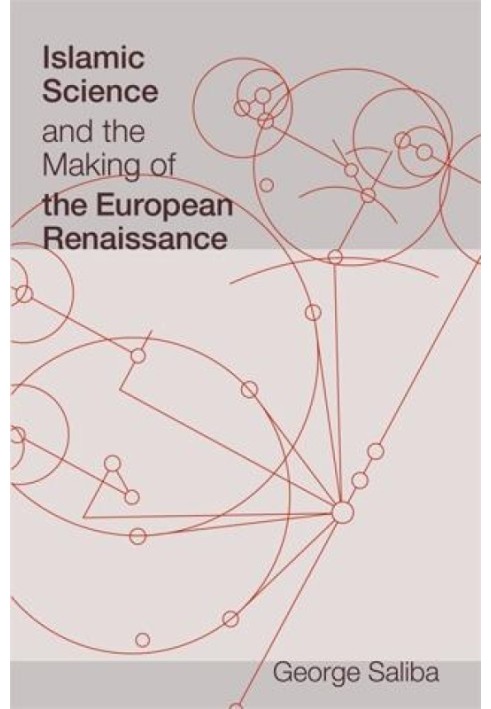
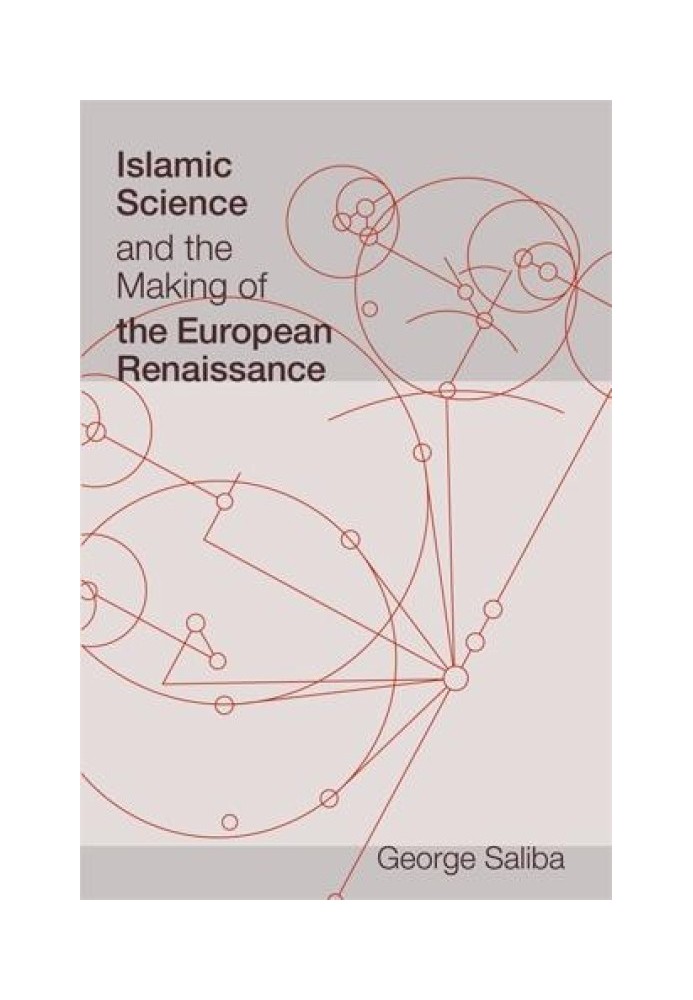
Book Islamic Science and the Making of the European Renaissance
The Islamic scientific tradition has been described many times in accounts of Islamic civilization and general histories of science, with most authors tracing its beginnings to the appropriation of ideas from other ancient civilizations—the Greeks in particular. In this thought-provoking and original book, George Saliba argues that, contrary to the generally accepted view, the foundations of Islamic scientific thought were laid well before Greek sources were formally translated into Arabic in the ninth century. Drawing on an account by the tenth-century intellectual historian Ibn al-Nadīm that is ignored by most modern scholars, Saliba suggests that early translations from mainly Persian and Greek sources outlining elementary scientific ideas for the use of government departments were the impetus for the development of the Islamic scientific tradition. He argues further that there was an organic relationship between the Islamic scientific thought that developed in the later centuries and the science that came into being in Europe during the Renaissance.Saliba outlines the conventional accounts of Islamic science, then discusses their shortcomings and proposes an alternate narrative. Using astronomy as a template for tracing the progress of science in Islamic civilization, Saliba demonstrates the originality of Islamic scientific thought. He details the innovations (including new mathematical tools) made by the Islamic astronomers from the thirteenth to sixteenth centuries, and offers evidence that Copernicus could have known of and drawn on their work. Rather than viewing the rise and fall of Islamic science from the often-narrated perspectives of politics and religion, Saliba focuses on the scientific production itself and the complex social, economic, and intellectual conditions that made it possible.
- Name of the Author
- Джордж Салиба
- Number of pages
- 294
- Language
- English
- Cover
- Hard
Reviews
More books on this topic

Book Astronomy on fingers. For...
137 UAH
124 UAH

Book Atlas of star sky
93 UAH
84 UAH

Book Illustrated atlas of Universe
258 UAH
233 UAH

Book Universe. Popular illustrated guide
220 UAH
198 UAH

Book Surya-siddhanta
113 UAH
102 UAH

Book How to photograph stars....
195 UAH
176 UAH

Book Atlases of star sky
195 UAH
176 UAH

Book Universe in infographic
220 UAH
198 UAH

Book Short history of time. From the...
244 UAH
220 UAH

Book Theory all. From singularity for...
133 UAH
120 UAH
The Islamic scientific tradition has been described many times in accounts of Islamic civilization and general histories of science, with most authors tra...
01/27/2024
Вражаюча та глибока книга про зв'язок між ісламською наукою та європейським Відродженням!
Джордж Саліба в своїй праці пропонує читачеві новий погляд на ісламську наукову традицію, яка, на його думку, була значно більш самостійною та оригінальною, ніж це зазвичай вважається. Автор детально аналізує, як ранні переклади з перських і грецьких джерел вплинули на розвиток науки в ісламській цивілізації, підкреслюючи важливість цих ідей для подальшого прогресу. Саліба не лише спростовує загальноприйняті міфи, але й надає читачеві нові інструменти для розуміння того, як ісламська наука вплинула на європейське Відродження. Його дослідження астрономії як прикладу для відстеження прогресу науки в ісламській цивілізації є особливо вражаючим. Книга спонукає до роздумів і відкриває нові горизонти для дослідження історії науки. Рекомендую цю книгу всім, хто цікавиться історією, наукою та культурними взаємозв'язками між цивілізаціями!