

 Read an excerpt
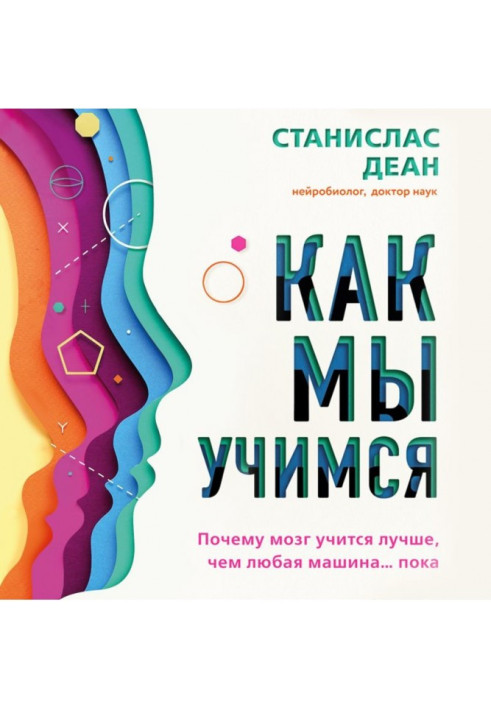
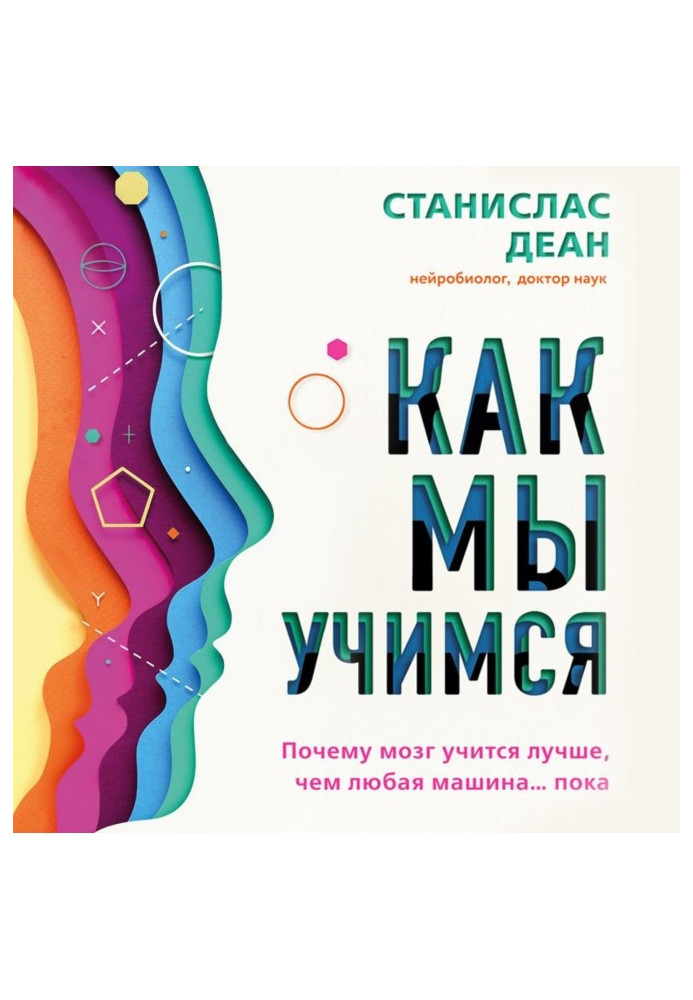
Book As we study. Why a brain studies better, than any machine. while
Curiosity and ability to study - gift of evolution of man. Until now none of artificial neural networks is unable to reproduce the most elementary information that is owned even by a baby. In this book French нейробиолог Станислас Деан tells that in actual fact hides after natural traction of people to knowledge. Understanding of her features, roles of perception, errors, memory and attention in educating are force, that will allow to expose our potential at school, at work and in everyday life.
For Apple devices, a computer with iTunes installed is required to play the file correctly.
- Name of the Author
- Деан Станислас
- Number of pages
- 492
- Language
- Russian
- Cover
- Hard
- Age
- 16
- Series
- Books that will do you yet more clever
- Release date
- 2020
Reviews
More books by this author

Book Right now, your brain is...
156 UAH
141 UAH

Book As we study. Why a brain studies...
121 UAH
109 UAH

Book Right now, your brain is...
156 UAH
141 UAH

Book As we study. Why a brain studies...
121 UAH
109 UAH
More books on this topic

Book Manual for self-tuition of...
73 UAH
66 UAH

Book Gene of director
116 UAH
105 UAH

Book Thirst
127 UAH
115 UAH

Book Chaos. As disorder changes our...
126 UAH
114 UAH

Book Less than means anymore....
127 UAH
115 UAH

Book Begin with small
134 UAH
121 UAH

Book Secret trainer for a brain....
138 UAH
125 UAH

Book Пендальгин. Means from laying of...
116 UAH
105 UAH

Book Pocket reference book of the...
115 UAH
104 UAH

Book Think and be successful! 15...
122 UAH
110 UAH
Curiosity and ability to study - gift of evolution of man. Until now none of artificial neural networks is unable to reproduce элемен...
09/14/2022
Як ми вчимося - це книга, яка переверне ваш погляд на процес нав
Автор, французький нейробіолог Станислас Деан, вдало поєднав наукові факти з цікавими прикладами, розкриваючи перед читачем таємниці та особливості нашого мозку, які дозволяють нам вчитися краще, ніж будь-якій машині. Через призму сприйняття, помилок, пам'яті та уваги автор розглядає процес навчання як складну систему, яка відкриває перед нами безмежні можливості для саморозвитку та досягнення успіху у будь-якій сфері життя. Ця книга стане корисною як для вчителів та студентів, так і для всіх, хто цікавиться психологією навчання та розвитком свого мозку. Рекомендую її всім, хто прагне розкрити свій потенціал та досягти висот у навчанні та житті!