

 Read an excerpt

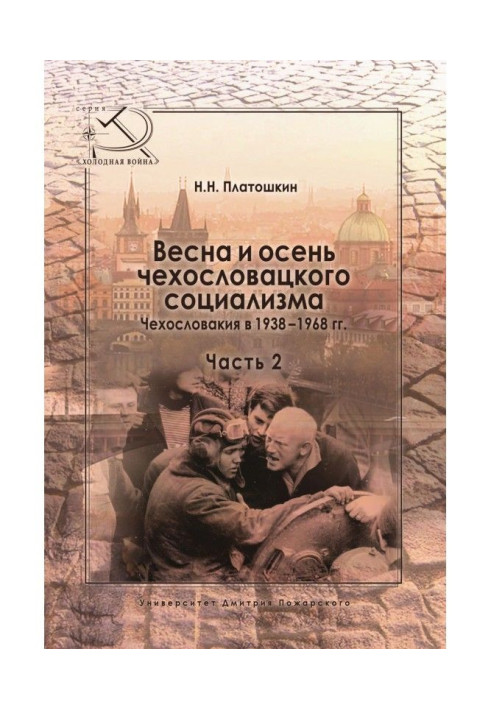
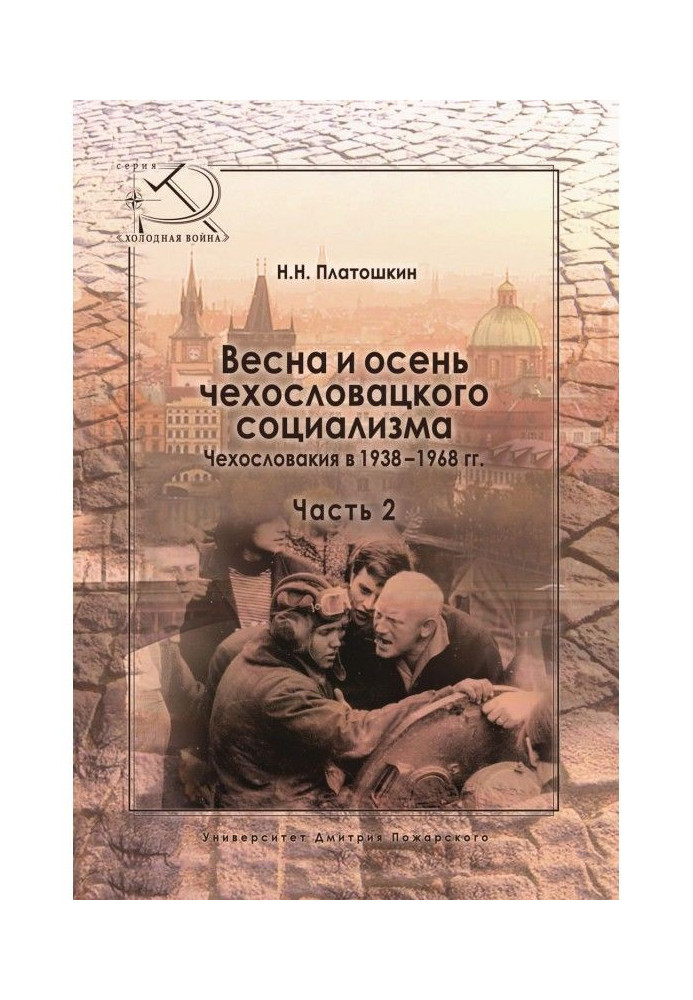
Book Spring and autumn of Czechoslovak socialism. Czechoslovakia in 1938–1968 Part 2. Autumn of Czechoslovak socialism. 1948–196
The book examines the history of Czech and Slovak socialism from 1938 to 1968. In the first part, special attention is paid to the coming of the Communist Party to power in Prague in February 1948. It is significant that this date is considered in the West as the "official" beginning of the Cold War. But the birth of socialism in Czechoslovakia took place even before the war, and the authority of the communist party was greatly strengthened during the Second World War, since it was the communists who formed the core of the anti-fascist resistance. The history of socialism in Czechoslovakia has common features with the development of this ideology throughout Europe, so the study of the “spring of Czech socialism” is important for understanding the European history of the 20th century as a whole.The second part of the book is devoted to highlighting the prehistory of the “Prague Spring” "1968, which would be more correct to call the "Prague autumn", since it was more like the beginning of the decline of the old era than the birth of something new. Leaving aside the achievements and problems of socialism, we can say that this book is the story of how a small country is engaged in state building, being embroiled in a confrontation between two mighty superpowers.If capitalism suffers from crises of overproduction goods, then Czechoslovak socialism "produced" too many educated and free people. It was they who formed the ideological core of those who fanned the wind of the “Prague Spring”, while the “party apparatchiks” tried to carry out economic and social reforms.Unfortunately, almost all the mistakes of the Czechoslovak reformers of the sixties were repeated in perestroika USSR. Perhaps history does not teach anything, but it makes it possible not to lose the past.The book is intended for historians, diplomats, anyone interested in the history of the Cold War, international relations and the study of social dynamics in transitional historical periods.
- Name of the Author
- Платошкин Nikolay Nikolaevich
- Language
- Russian
- Series
- Холодная война
- Release date
- 2015
Reviews
Не для кожного
Ця книга може виявитися складною для тих, хто не зацікавлений у політичній історії або соціалізмі. Хоча автор докладно розглядає період з 1938 по 1968 рік, аналізуючи ключові події та реформи, проте деякі частини книги можуть здатися важкими для сприйняття. Також, важливо мати базові знання про історію Чехословаччини та соціалістичний рух, щоб повністю розуміти контекст подій, описаних у книзі. Для широкого загалу читачів ця книга може бути складною та недостатньо захопливою. Проте для тих, хто цікавиться даною тематикою, вона стане цінним джерелом інформації та аналізу.
More books by this author

Book Spring and autumn of...
215 UAH
194 UAH

Book Sandinista revolution in...
171 UAH
154 UAH

Book History of the Mexican...
81 UAH
73 UAH

Book History of the Mexican...
81 UAH
73 UAH

Book Chile 1970-1973 is Interrupted...
112 UAH
101 UAH

Book Spring and autumn of...
215 UAH
194 UAH

Book Sandinista revolution in...
171 UAH
154 UAH

Book History of the Mexican...
81 UAH
73 UAH

Book History of the Mexican...
81 UAH
73 UAH

Book Chile 1970-1973 is Interrupted...
112 UAH
101 UAH
More books on this topic

Book Дубно 1941. The greatest tank...
190 UAH
171 UAH

Book First Kyiv princes
11 UAH
10 UAH

Book FRS. Myths and reality
96 UAH
87 UAH

Book Mediterranean and Mediterranean...
112 UAH
101 UAH

Book Strategy of indirect actions
131 UAH
118 UAH

Book Alexander Macedonian
32 UAH
29 UAH

Book Leon Trotsky
32 UAH
29 UAH

Book Country of ancient ариев and the...
47 UAH
43 UAH

Book 100 famous riddles of history
34 UAH
31 UAH

Book 100 famous catastrophes
34 UAH
31 UAH
The book examines the history of Czech and Slovak socialism from 1938 to 1968. In the first part, special attention is paid to the coming of the Communist Party to power...
11/25/2022
Ця книга - цінний документ для тих, хто цікавиться історією Чехо
Автор докладно розглядає період з 1938 по 1968 рік, розкриваючи ключові події та тенденції, які вплинули на розвиток соціалізму в країні. Читач отримує можливість поглибитися в історію "весни чеського соціалізму" та "празької осені", розуміючи їх значення для європейської історії XX століття. Книга вражає своєю деталізацією та аналітичним підходом до подій, що дозволяє читачеві отримати повний образ періоду, що досліджується. Рекомендую цю книгу як джерело знань для істориків, студентів та всіх, хто цікавиться політичною історією Європи!