

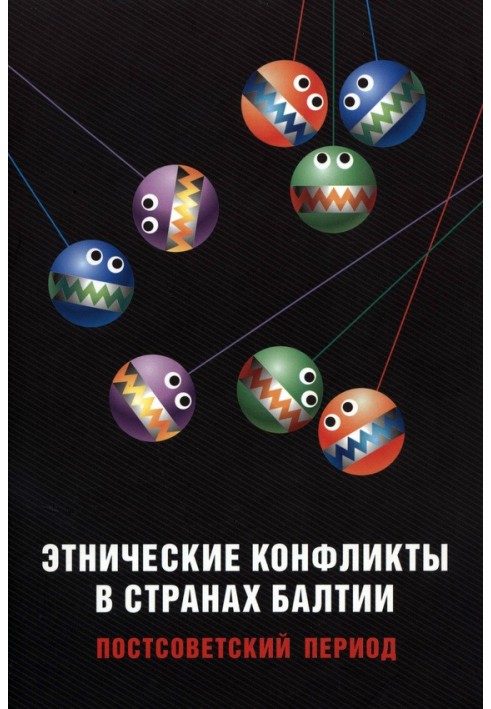
Book Ethnic conflicts in the Baltic countries in the post-Soviet period
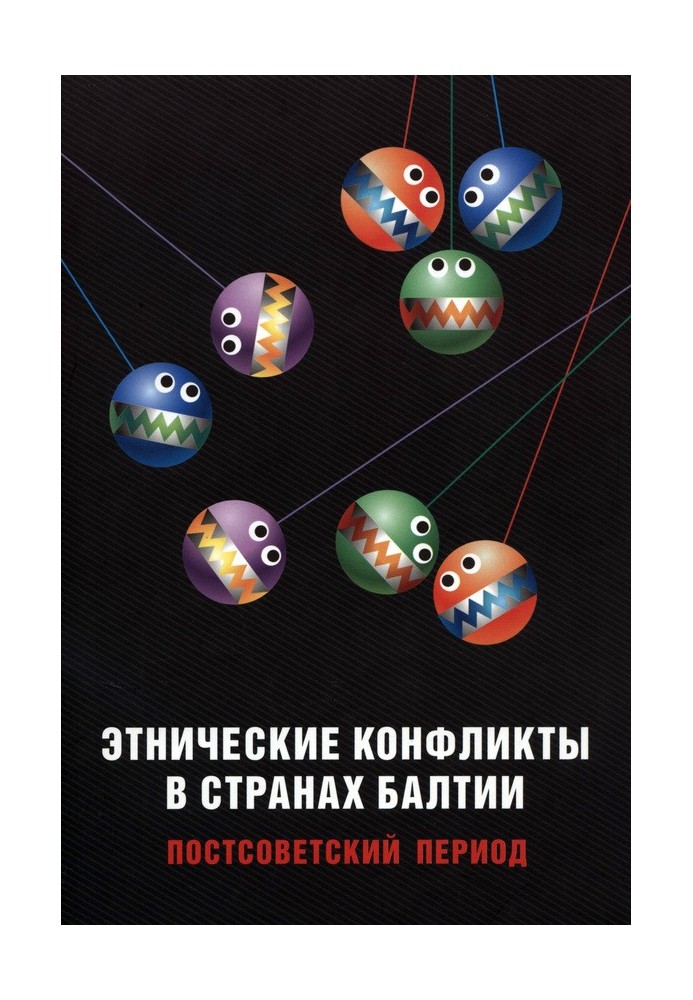
The collection of articles is devoted to the consideration of the causes of occurrence, forms of existence and mechanisms of implementation of ethnic conflicts in Latvia, Lithuania and Estonia in the period 1991–2013. The materials presented by the authors are an attempt to understand the experience of the struggle of the non-titular population of these countries against the regimes of ethnic discrimination operating in them .
The book’s text has been translated from the original language using an artificial intelligence system. In most cases, the translation is accurate and clear, but occasionally there may be incorrect phrasing or individual words left untranslated.
- Name of the Author
- Collective of authors
- Number of pages
- 101
- Language
- Ukrainian
- Cover
- Hard
- Release date
- 2013
More books by this author

Book Economic history of the world....
114 UAH
103 UAH

Book Horn of Terror: Stories and...
121 UAH
109 UAH

Book What do we think about machines...
117 UAH
106 UAH

Book In the kingdom of myths....
196 UAH
177 UAH

Book Frivolous poetry
76 UAH
69 UAH

Book Directory of Oriental Medicine
116 UAH
105 UAH

Book The Story of the Holy Land
151 UAH
136 UAH

Book Fundamentals of the canonical...
151 UAH
136 UAH

Book Marginalized people in society....
106 UAH
96 UAH

Book Volume 8 (XIV - first half of...
146 UAH
132 UAH

Book Slavic encyclopedia. Kievan Rus...
91 UAH
82 UAH

Book Actual tasks of engineering of...
98 UAH
89 UAH

Book Multilateral diplomacy is in the...
98 UAH
89 UAH

Book 3333 mental plots. Secret method...
88 UAH
80 UAH
More books on this topic

Book Anarchist theses
20 UAH
18 UAH

Book The Girl Who Raced Fairyland All...
131 UAH
118 UAH

Book Anarchism: A Very Short...
121 UAH
109 UAH

Book Political Philosophy: A Very...
121 UAH
109 UAH

Book Genesis of civil organization:...
196 UAH
177 UAH

Book Conservatism update
76 UAH
69 UAH

Book Soviet joke (Index of plots)
136 UAH
123 UAH

Book Bobby Fischer Goes to War: How...
121 UAH
109 UAH

Book From public organization to...
86 UAH
78 UAH

Book Secrets of the past century....
106 UAH
96 UAH
The collection of articles is devoted to the consideration of the causes of occurrence, forms of existence and mechanisms of implementation of ethnic conflic...