

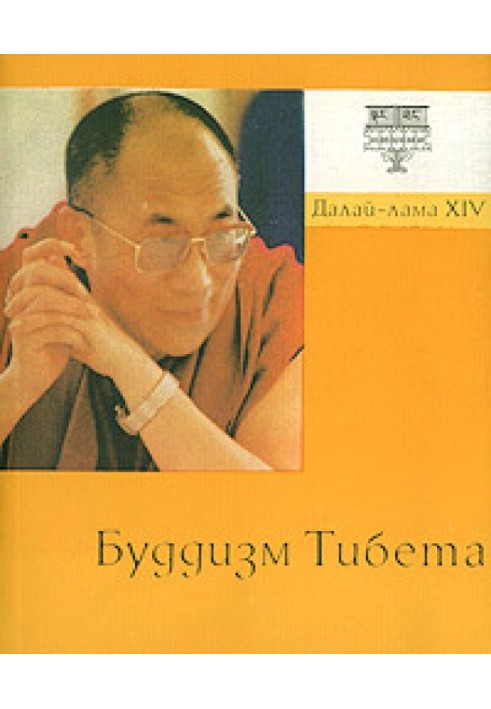
 Read an excerpt

Book Buddhism of Tibet
This introduction to Tibetan Buddhism is intended for beginners. The first half of it is a revised version of the appendix “Essay on Buddhism in Tibet” to my book “My Country and My People.” The second part briefly explains the meaning of Refuge, the natural correspondence of actions and their fruits, the Three Practices and Bodhichitta. May all who seek the path of peace and happiness find it. Buddhist monk Tenzin Gyatso (Fourteenth Dalai Lama)
- Name of the Author
- Тензин Гьяцо
- Language
- Russian
- Translator
- Андрей Анатольевич Терентьев
More books by this author

Book Kindness, purity of thoughts and...
56 UAH
51 UAH

Book The policy of kindness. Collection.
25 UAH
23 UAH

Book How to give love. About...
46 UAH
42 UAH

Book The path of a true leader
76 UAH
69 UAH

Book Harvard Lectures
76 UAH
69 UAH

Book My country and my people....
76 UAH
69 UAH

Book Harmony of worlds. Dialogues on...
25 UAH
23 UAH

Book Eight Verses to Exercise the Mind
20 UAH
18 UAH

Book Heart Sutra: Teachings on the...
76 UAH
69 UAH

Book Four Noble Truths
11 UAH
10 UAH

Book The Universe in One Atom:...
76 UAH
69 UAH

Book Freedom in exile. Autobiography...
56 UAH
51 UAH

Book The wisdom of forgiveness....
76 UAH
69 UAH

Book My country and my people....
76 UAH
69 UAH

Book Eight Verses to Exercise the Mind
20 UAH
18 UAH
More books on this topic

Book The Girl Who Raced Fairyland All...
131 UAH
118 UAH

Book Volume 5. People are so bored in...
137 UAH
124 UAH

Book Eight verses on training the mind
11 UAH
10 UAH

Book Zen Encyclopedia
91 UAH
82 UAH

Book Four Noble Truths
11 UAH
10 UAH

Book The doctrine of dependent...
121 UAH
109 UAH

Book Introduction to Madhyamika
146 UAH
132 UAH

Book Sutra on Wisdom and Folly...
121 UAH
109 UAH

Book Sutra of Golden Light
25 UAH
23 UAH

Book Mirror polishing. How to Live...
76 UAH
69 UAH
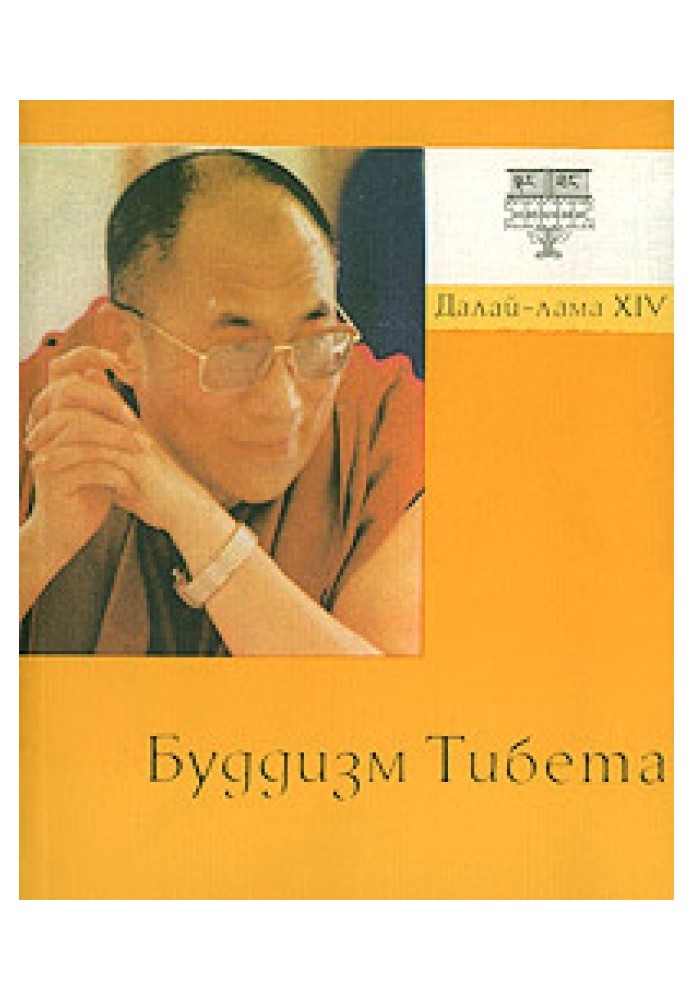
This introduction to Tibetan Buddhism is intended for beginners. The first half of it is a revised version of the appendix “Essay on Buddhism in Tibet” to my...