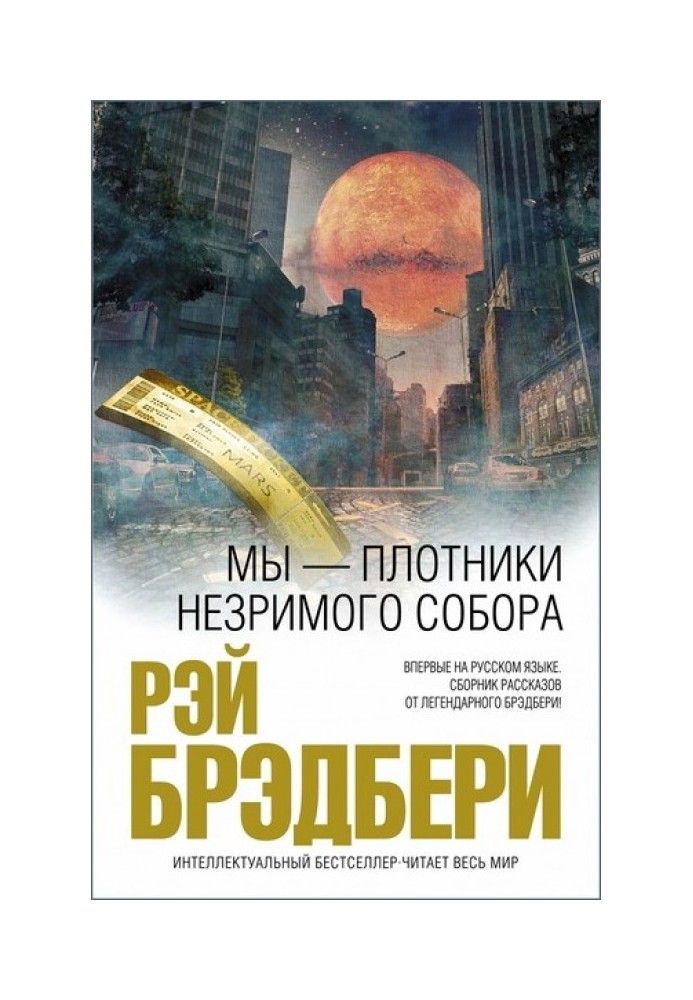
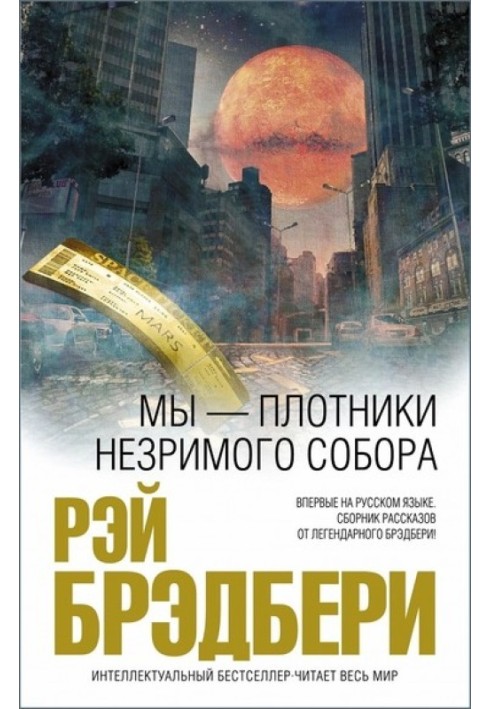
Book The dragon who ate its own tail
book type

Book The dragon who ate its own tail

FR409110

Select the language of the book:

Russian
In stock
1  
43 UAH
39 UAH - 10%

Oh, this empty future, in which a dragon chokes on its radioactive tail, and confused, broken people, with faces bloodless from explosions and hair singed to the roots, with charred, warped, disfigured hope in their hearts, look back... After all, the only way to avoid the nightmarish present in the future is to go into the past and never return from there... The story was written in the 1950s.

Questions and answers

What is the book The dragon who ate its own tail about in short?

The book 'The Dragon Who Ate Its Own Tail' explores a dystopian future where a dragon symbolizes the destructive nature of humanity. As people grapple with the aftermath of catastrophic events, they reflect on their choices and the haunting past. The narrative serves as a poignant reminder of the consequences of our actions and the longing for a time before devastation.

What is the main idea of the book The dragon who ate its own tail?

The main idea of 'The Dragon Who Ate Its Own Tail' revolves around the cyclical nature of destruction and hope. It delves into themes of regret, nostalgia, and the human condition in the face of calamity. By juxtaposing a bleak future with a yearning for the past, the book challenges readers to reflect on their present choices and their potential impact on future generations.

Who should definitely read the book The dragon who ate its own tail?

'The Dragon Who Ate Its Own Tail' is ideal for readers who appreciate thought-provoking dystopian literature. Those interested in exploring complex themes of humanity, destruction, and hope will find this book particularly engaging. It appeals to fans of speculative fiction who enjoy narratives that challenge societal norms and provoke deep reflection.

What books is the book The dragon who ate its own tail similar to?

'The Dragon Who Ate Its Own Tail' shares thematic similarities with works like 'Fahrenheit 451' by Ray Bradbury, which also critiques societal issues through a dystopian lens. Additionally, 'Brave New World' by Aldous Huxley offers a parallel exploration of human nature and technological advancement. Readers may also find resonance with '1984' by George Orwell in its portrayal of oppressive futures.
Name of the Author
Рэй Брэдбери
Language
Russian
Translator
Арам Вигенович Оганян

Reviews

Grade 


04/19/2025

Книга Дракон, который слопал свой собственный хвост

Эта книга — настоящая находка для любителей антиутопий и философских размышлений. Автор мастерски создает атмосферу безысходности, изображая мир, где дракон, символизирующий разрушение и самоуничтожение, подавился своим радиоактивным хвостом. Читая, чувствуешь всю тяжесть судьбы людей, которые остались в этом опустошенном будущем. Их лица, обескровленные от взрывов, и надежда, покоробленная ужасами войны, заставляют задуматься о настоящем и будущем. Однако, несмотря на глубокую идею, местами текст кажется перегруженным описаниями, что может отвлекать от основного сюжета. Тем не менее, книга оставляет сильное впечатление и побуждает к размышлениям о том, как важно ценить настоящее. В целом, это произведение стоит прочитать, особенно тем, кто интересуется философией и социальными вопросами.

Write your review

Book The dragon who ate its own tail

Oh, this empty future, in which a dragon chokes on its radioactive tail, and confused, broken people, with faces bloodless from explosions and hair singed to...

Write your review

More books by this author

More books on this topic