

 Read an excerpt

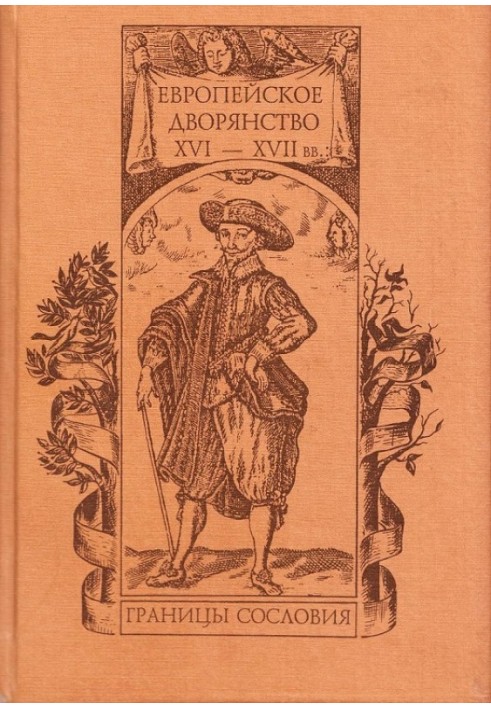
Book European nobility of the 16th–17th centuries: boundaries of the class
In this collective work, dedicated to the European nobility of the 16th–17th centuries, the following range of issues was chosen for research: Definition of nobility and noble status: self-esteem, legal practice, public opinion. The relationship between economic, political, ethnosocial, religious and other factors in determining the boundaries of the class. Number and “share” of the nobility, their dynamics. Regional differences. Areas of high concentration of nobility. Evidence of belonging to the nobility, their evolution. The relationship between oral and written traditions. Genealogy and its role. Annotation, its forms and legal registration, scales and rhythms. The process of loss of noble status, its causes and consequences. Inter-class and intra-class boundaries. The border between the nobility and the clergy.
- Name of the Author
- Александр Черных Петрович
Александра Ролова Давыдовна
Владимир Ведюшкин Александрович
Дмитрий Федосов Геннадьевич
Людмила Пименова Александровна
Маргарита Бычкова Евгеньевна
Михаил Дмитриев Владимирович
Ольга Дмитриева Владимировна
Тамара Таценко Николаевна
Татьяна Гусарова Павловна - Language
- Russian
Reviews
More books on this topic

Book Ten year anniversary
11 UAH
10 UAH

Book Raid battalion
69 UAH
63 UAH
Book Raid battalion
69 UAH
63 UAH

Book Notes on the fields of the "Name...
59 UAH
54 UAH

Book First Kyiv princes
11 UAH
10 UAH

Book To love all ages
20 UAH
18 UAH

Book All happy families
17 UAH
16 UAH

Book In the name Гуччи. Memoirs of...
126 UAH
114 UAH
Book In the name Гуччи. Memoirs of...
126 UAH
114 UAH

Book Secret service agent of the...
69 UAH
63 UAH

In this collective work, dedicated to the European nobility of the 16th–17th centuries, the following range of issues was chosen for research: Definition of ...
08/20/2024
Вражаючий аналіз європейського дворянства!
Ця колективна праця є справжнім науковим досягненням, яке відкриває нові горизонти в розумінні соціальної структури XVI–XVII століть. Автори детально досліджують різноманітні аспекти дворянського статусу, починаючи від самооцінки та юридичної практики до впливу економічних і політичних чинників на формування меж стану. Особливо вражає глибина аналізу регіональних розходжень та динаміки чисельності дворянства, що дозволяє читачеві зрозуміти, як різні фактори впливали на становлення та еволюцію цього соціального класу. Дослідження генеалогії та аноблювання додає ще більше цінності, адже показує, як історичні процеси формували ідентичність дворянства. Книга стане незамінним джерелом для істориків, соціологів і всіх, хто цікавиться історією Європи. Рекомендую всім, хто хоче глибше зрозуміти складну структуру суспільства минулих століть!