

 Read an excerpt
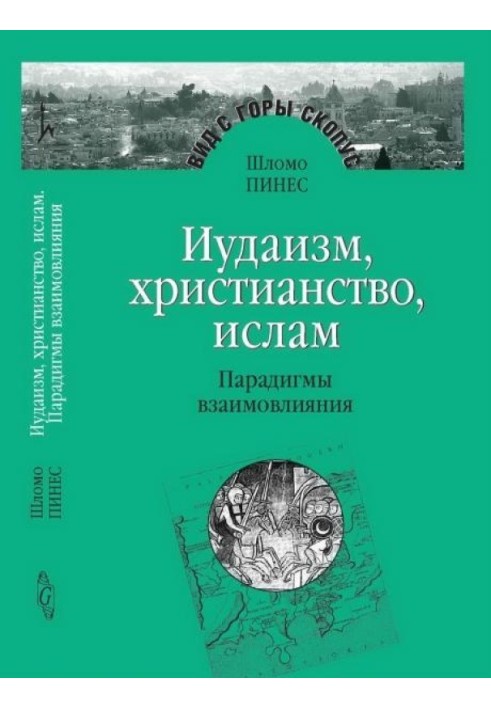
Book Judaism, Christianity, Islam: Paradigms of mutual influence
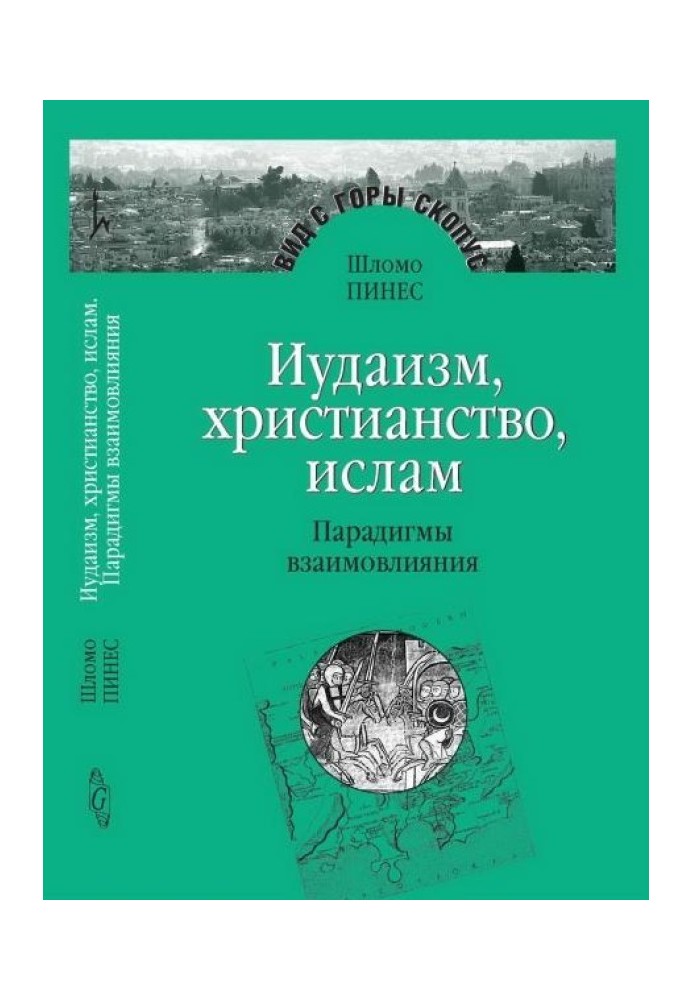
Judaism, Christianity, Islam: Paradigms of Interaction is a book that explores the Big Three monotheistic religions - their history, teachings, and relationships. The author analyzes the commonalities and differences between these three beliefs, sheds light on the key points of their development and their impact on world culture.
The book reveals the unique aspects of each religion, their traditions, rites and shrines. It helps to understand how these beliefs mixed and interacted with each other over the centuries, how it affected society, morality and worldview of people.
The reader will find interesting facts, important theses and convincing arguments in this book, which will contribute to the expansion of his worldview and understanding of the big map of religious history. "Judaism, Christianity, Islam: Paradigms of interaction" is an invitation to discover new horizons and dive deeper into the amazing world of monotheistic religions.
- Name of the Author
- Шломо Пинес
- Number of pages
- 295
- Language
- Russian
- Cover
- Hard
- Translator
- Е. Федотова
Елена Рохлина
Сергей Рузер
Софья Копелян
Reviews
More books on this topic

Book The Girl Who Raced Fairyland All...
131 UAH
118 UAH

Book Volume 5. People are so bored in...
137 UAH
124 UAH

Book Arab Caliphate. Golden Age of Islam
151 UAH
136 UAH

Book A strike is like a battle
121 UAH
109 UAH

Book Mint. History and modernity.
91 UAH
82 UAH

Book History of Islam. Islamic...
196 UAH
177 UAH

Book Living with meaning: How to gain...
76 UAH
69 UAH

Book Five point Someone
121 UAH
109 UAH

Book An Astronaut's Guide to Life on...
91 UAH
82 UAH

Book The Martian Chronicles
127 UAH
115 UAH
Judaism, Christianity, Islam: Paradigms of Interaction is a book that explores the Big Three monotheistic religions - their history, teachings, and relationship...
05/08/2022
Відкриття нових горизонтів у релігійній історії
Книга "Іудаїзм, християнство, іслам: Парадигми взаємодії" є справжнім шедевром для всіх, хто цікавиться релігією, культурою та історією. Автор майстерно досліджує складні взаємовідносини між трьома основними монотеїстичними релігіями, наводячи численні приклади їхнього впливу на світову культуру та суспільство. Особливо вражає глибина аналізу спільних рис та відмінностей між цими віровченнями, що дозволяє читачеві не лише зрозуміти їхні основи, але й оцінити, як вони формували світогляд людей протягом століть. Книга наповнена цікавими фактами та переконливими аргументами, які спонукають до роздумів і дискусій. Я б рекомендував цю книгу не лише студентам, але й усім, хто прагне розширити свої знання про релігії та їхній вплив на сучасний світ. Це справжнє запрошення до глибшого пізнання та розуміння релігійної історії, яке залишає по собі глибокий слід у свідомості читача.