
 Read an excerpt
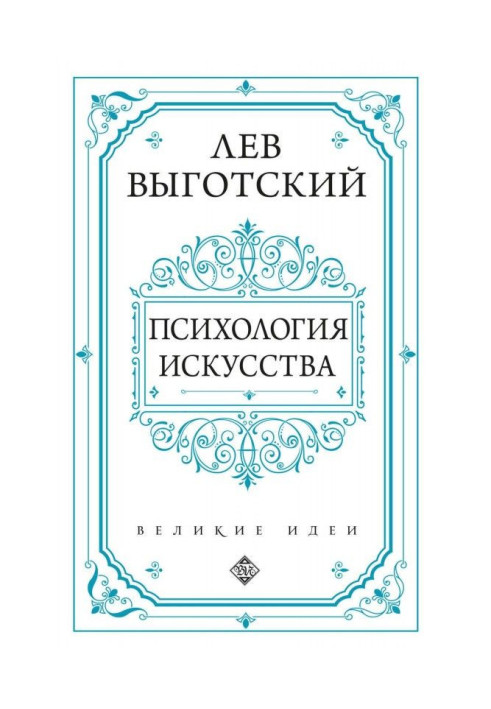
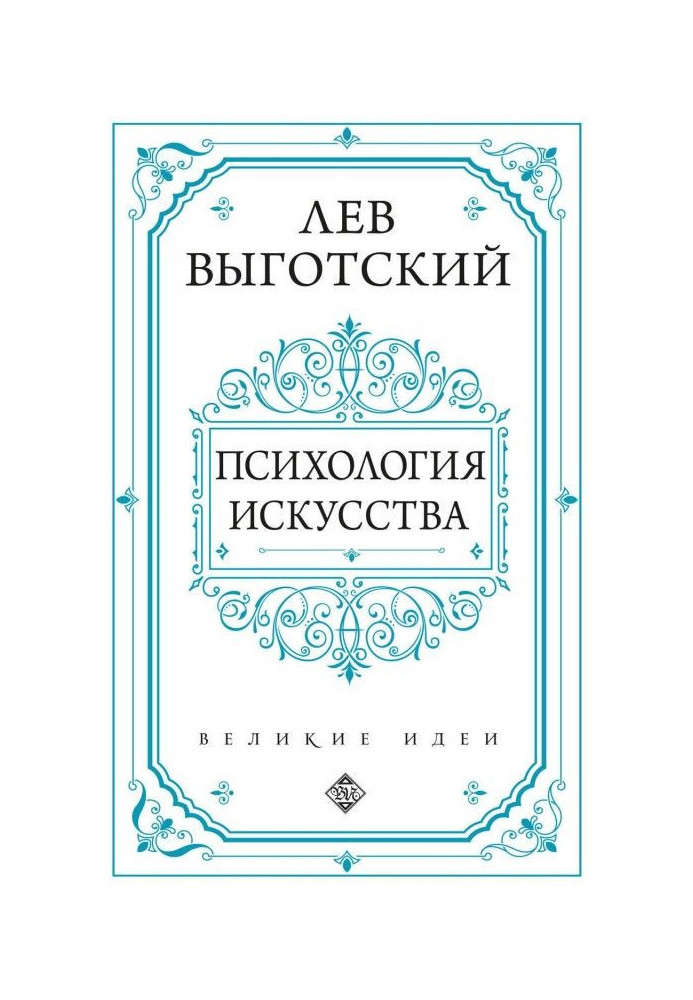
Book Psychology of art
This book was written by a young, but quickly gaining respect among colleagues and readers, psychologist Lev Semenovich Vygotsky, whose scientific activity fell on the first third of the 20th century, when new theories and even entire directions in psychology were actively created. Now the works of L. S. Vygotsky are recognized classics. A materialist scientist, he seeks to explain the true artistry, the high level of the work by an inextricable link with reality. Analyzing the features of the text, he built the logic of the reader's reaction, the internal activity caused by this text, comprehended the connection between form and content. Despite the considerable age of this work, it has not lost its relevance, as it reflects the objective processes in art and its perception.
- Name of the Author
- Выготский (Выгодский) Лев Семенович
- Number of pages
- 134
- Language
- Russian
- Cover
- Hard
- Age
- 16
- Series
- Great ideas
- Release date
- 1925
Reviews
More books by this author

Book Thinking and speech
49 UAH
45 UAH

Book Thinking and speech (collection)
195 UAH
176 UAH

Book Psychology of art
73 UAH
66 UAH

Book The main problems of modern...
11 UAH
10 UAH

Book Thinking and speech
49 UAH
45 UAH

Book Thinking and speech
220 UAH
198 UAH

Book Thinking and speech (collection)
195 UAH
176 UAH

Book Imagination and work are in...
112 UAH
101 UAH

Book Psychology of art
73 UAH
66 UAH

Book Difficult childhood. Diagnostics...
64 UAH
58 UAH

Book The main problems of modern...
11 UAH
10 UAH
More books on this topic

Book Artistic fabrics of medieval...
364 UAH
328 UAH

Book Because it is a modern art!
122 UAH
110 UAH

Book Impressionism. Most humane painting
185 UAH
167 UAH

Book History of art is in six emotions
117 UAH
106 UAH

Book Naive art and китч. Basic...
586 UAH
528 UAH

Book Varda
126 UAH
114 UAH

Book Painting masterpieces. Based on...
258 UAH
233 UAH

Book Art of editing. Way of film from...
293 UAH
264 UAH

Book Video art. Spectator montage
147 UAH
133 UAH

Book What did an artist want to say?...
176 UAH
159 UAH
This book was written by a young, but quickly gaining respect among colleagues and readers, psychologist Lev Semenovich Vygotsky, whose scientific activity came ...
01/16/2023
Психологія мистецтва - це справжнє джерело знань та розуміння дл
Ця книга, написана видатним психологом Львом Семеновичем Выготским, є справжнім скарбом для тих, хто бажає розглядати мистецтво не лише як зовнішній вираз, але й як внутрішній світ творця та сприймача. Автор вдало поєднав теоретичні аспекти психології з практичними прикладами зі світу мистецтва, розкриваючи глибину та складність взаємодії між творцем та твором. Читаючи цю книгу, ви зможете краще зрозуміти процес творення та сприйняття мистецтва, а також відкрити для себе нові грані творчості та естетичного сприйняття. Рекомендую цю книгу як професіоналам у галузі мистецтва, так і всім, хто цікавиться психологією та культурою!